TALA is a concept brand created around the idea of empowering people to design and customize their own sneakers. The project focused on developing a beginner-friendly sneaker customization kit packaged within a dynamic and visually engaging box system.
The goal was to design a product experience that combines branding, packaging engineering, and visual storytelling while providing users with everything they need to start designing custom sneakers.
The final outcome was a fully designed sneaker customization kit housed in a rotating-tier rigid packaging structure, containing sneakers, paints, preparation materials, and tools for customization.
This project explores how thoughtful packaging design can shape the overall experience of a product before it is even used.
The Challenge
Custom sneaker culture has grown significantly over the past decade, with artists and designers creating personalized footwear using paints and materials designed specifically for leather and textiles.
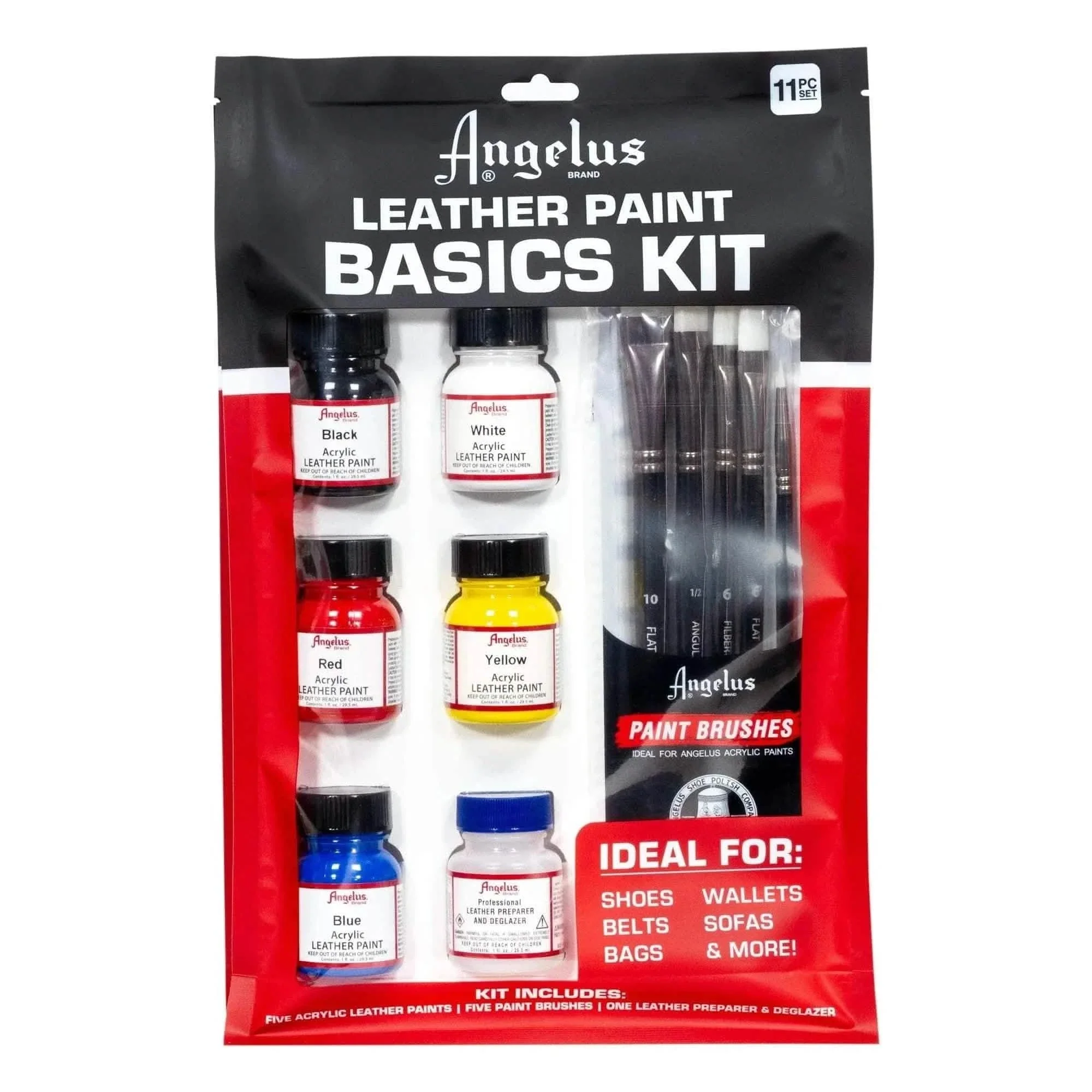
While companies like Angelus Direct provide high-quality paints and supplies, beginner designers often need to purchase multiple products separately. This can create friction for new users who want a simple starting point.
The opportunity was to design a complete beginner sneaker customization kit that:
Includes all necessary materials in one package
Provides a memorable unboxing experience
Introduces new designers to sneaker customization
The packaging needed to function as both protective product housing and a visual representation of the brand identity
Research and Inspiration
Cultural Inspiration
The brand identity for TALA was inspired by Obatala, the Yoruba deity associated with creation.
Obatala is traditionally represented by a dove, and the colors light blue and white are associated with purity, creativity, and intention.
These elements informed the overall aesthetic direction of the brand identity and packaging design.
Competitive Observations
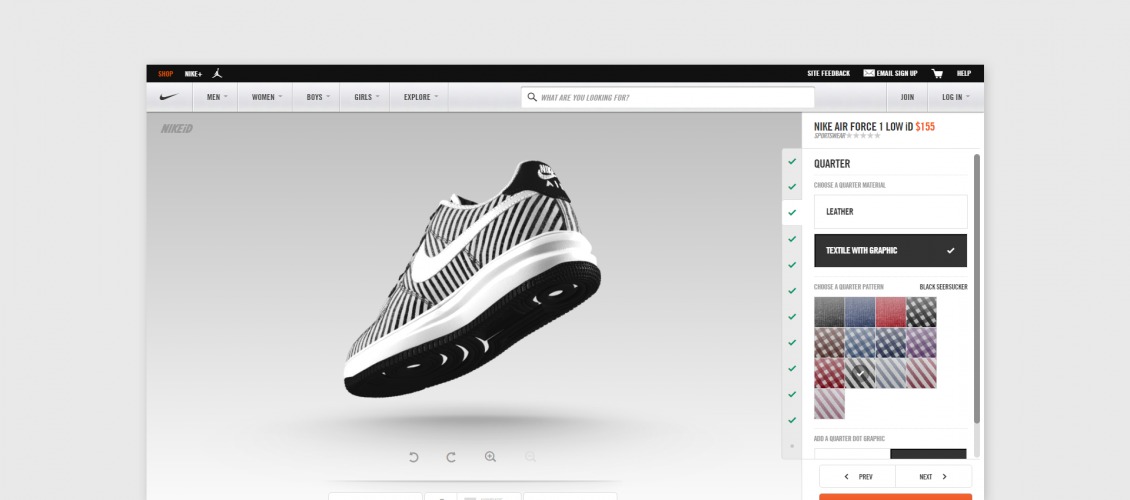
Research focused on understanding how sneaker customization products are currently packaged and sold. Competitors analyzed included: Nike Adidas Angelus Direct
Customization supplies are often sold individually rather than as a complete system
Customizing tends to detached from product rather than bundled together
Few products provide a structured entry point for beginner sneaker designers
These insights informed the design goal of creating a complete and engaging starter kit experience.
Design
Design Goals
Based on research and concept exploration, the project focused on three primary goals:
Create an all-in-one sneaker customization kit for beginner designers
Design packaging that feels intentional and experiential, not just functional
Develop a cohesive brand identity that reinforces themes of creativity and creation
Design Process
Research & Explorations
The project began with research into sneaker culture, packaging structures, and competitor products.
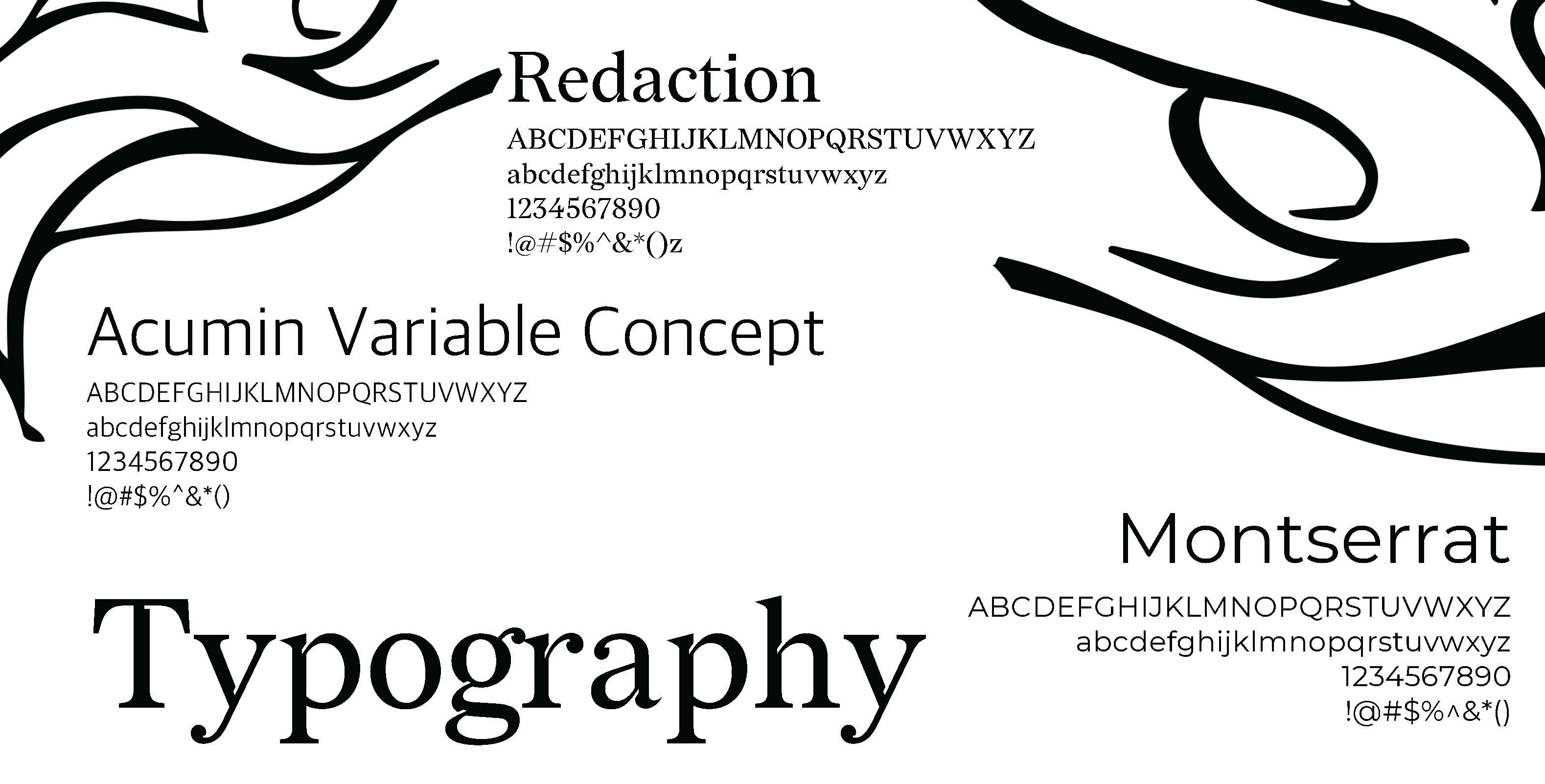
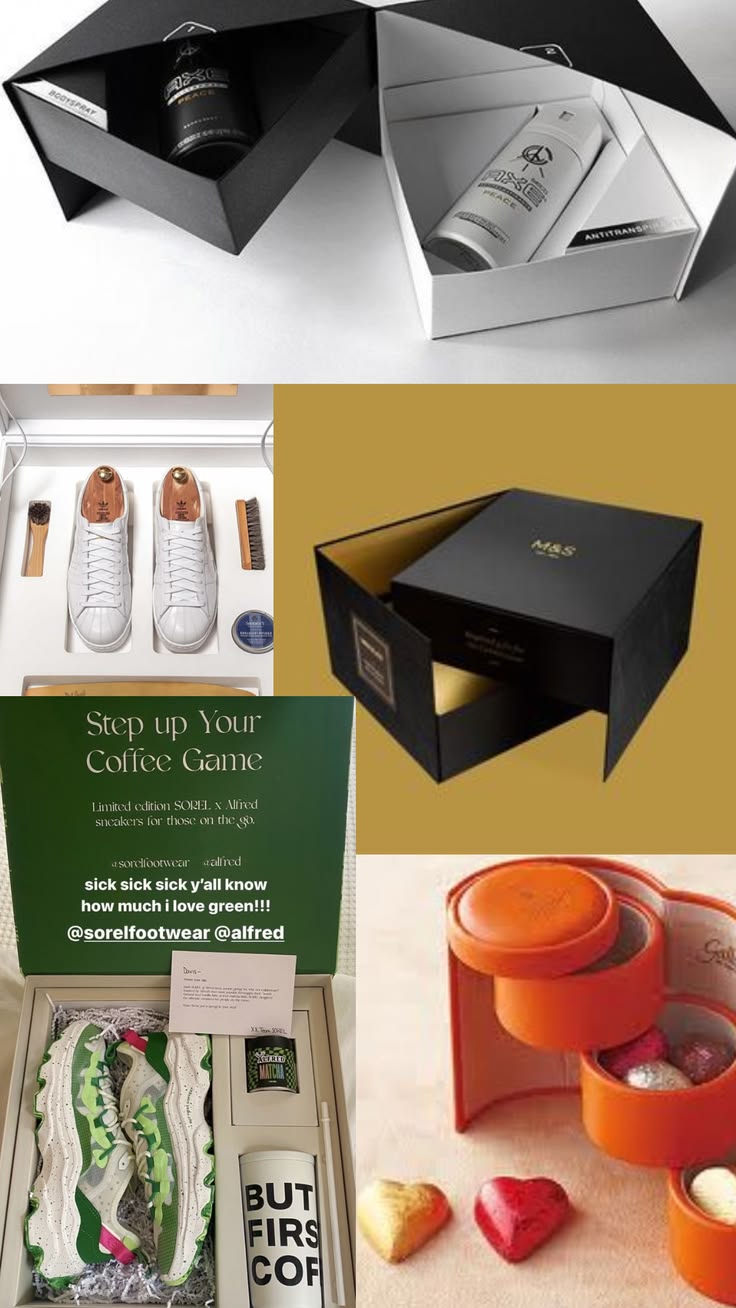
Mood boards were created to explore:
Color palettes
Typography
Cultural symbolism
Packaging construction styles
This phase helped establish the visual direction and structure for the kit.
Branding & Logo Development
Once the concept direction was established, branding work began.
The logo and identity system incorporated:
Patterns inspired by dove wings
Typographic logo mimicking the flowing nature of dove wings
White and black to encourage an open canvas and room to create something from nothing
Packaging Structure Exploration
The next phase focused on the structural design of the package.
Several packaging concepts were explored before settling on a rotating-tier rigid box structure.
This structure allowed the package to:
Organize multiple components clearly
Create an interactive unboxing experience
Protect the sneakers and customization tools
Physical Prototyping
A prototype model was constructed using recycled cardboard to test the mechanics and proportions of the packaging structure.
This allowed me to evaluate:
Structural stability
Internal organization
Component spacing
User interaction during opening and closing
** The lines were thicken in order to view it. Orginal line size was 0.1 for the laser cutter to work
Die-line Construction
Using the measurements from the prototype, I created a full dieline using Adobe Illustrator.
Because of the size of the package and the limitations of the laser cutter, the dieline needed to be split into multiple sections that could later be assembled into a single structure.
This step required careful planning to ensure:
Accurate folding and assembly
Consistent graphic alignment
Structural stability of the box
Final Fabrication
The final package was constructed using a combination of materials:
Chipboard for structural support
Matte Epson paper for the printed outer surface
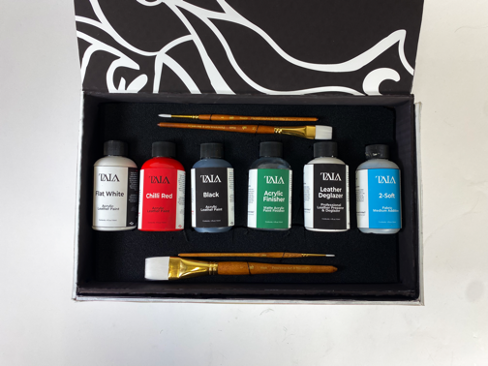
Polyurethane foam inserts to organize the tools
The foam interior was cut precisely to hold:
Paint bottles
Preparation materials
Brushes
Additional printed tracing paper was used to mimic the experience of gift wrapping around the sneakers, enhancing the unboxing moment.
The graphic wrap was printed and applied in a way that allowed the design to flow seamlessly across the edges of the box.
Final Outcome
The final deliverable was a fully functional sneaker customization kit featuring:
A rotating-tier rigid packaging system
Custom brand identity
Integrated tool storage
Protective sneaker housing
A cohesive visual design across all packaging surfaces
The project demonstrates how graphic design, packaging engineering, and brand storytelling can come together to create a memorable product experience.
Challenges & Lessons Learned
One of the primary challenges was the size and complexity of the packaging structure.
Because the kit includes a pair of sneakers along with customization tools, the box requires significant internal space and materials.
While the large structure creates a strong unboxing experience, it also presents logistical challenges for in-store retail environments where shelf space is limited.
However, the packaging is well-suited for direct-to-consumer online distribution, where the unboxing experience becomes a key part of the brand interaction.
Reflections
This project strengthened my ability to design across both visual systems and physical product structures.
I learned how packaging design requires careful consideration of materials, dimensions, structural mechanics, and brand storytelling.
The process also reinforced the importance of prototyping and iterative testing when designing physical products.
Next Steps
If developed further, future iterations of the TALA kit could include:
More compact packaging structures
Expanded customization kits for different sneaker styles
Additional design tools and materials
A full ecommerce experience for the brand
This concept demonstrates how packaging can elevate a product from a collection of materials into a complete creative experience.







.jpeg)
.jpeg)
.jpeg)
.jpeg)